

The Aquatic Canvas: Art for Water Conservation
Creating awareness for water conservation through art
The Aquatic Canvas: Art for Water Conservation
The problem being addressed with the initiative of creating an art collection focused on water conservation is the lack of widespread awareness and understanding of the critical importance of water conservation efforts. Water scarcity and pollution are pressing global issues that threaten ecosystems, human health, and socio-economic stability. Despite the urgency of the situation, many people are unaware of the severity of the problem or feel disconnected from it.
By leveraging the power of art, this initiative seeks to raise awareness and spark conversations about water conservation in a visually compelling and emotionally resonant way. Art has a unique ability to transcend language barriers and evoke empathy, making it a powerful tool for communication and advocacy. Through showcasing contemporary artworks that explore themes related to water conservation, the initiative aims to engage and inspire audiences to take action to protect this vital resource.
Additionally, by creating a web platform to host the art collection, the initiative seeks to reach a wide audience and provide a centralized hub for learning, discussion, and collaboration. This platform will not only showcase the artworks but also provide educational resources, information about conservation efforts, and opportunities for involvement, empowering individuals to become active participants in the fight for water conservation.
Overall, the initiative aims to bridge the gap between awareness and action by harnessing the transformative potential of art to inspire positive change and foster a deeper connection to the natural world.
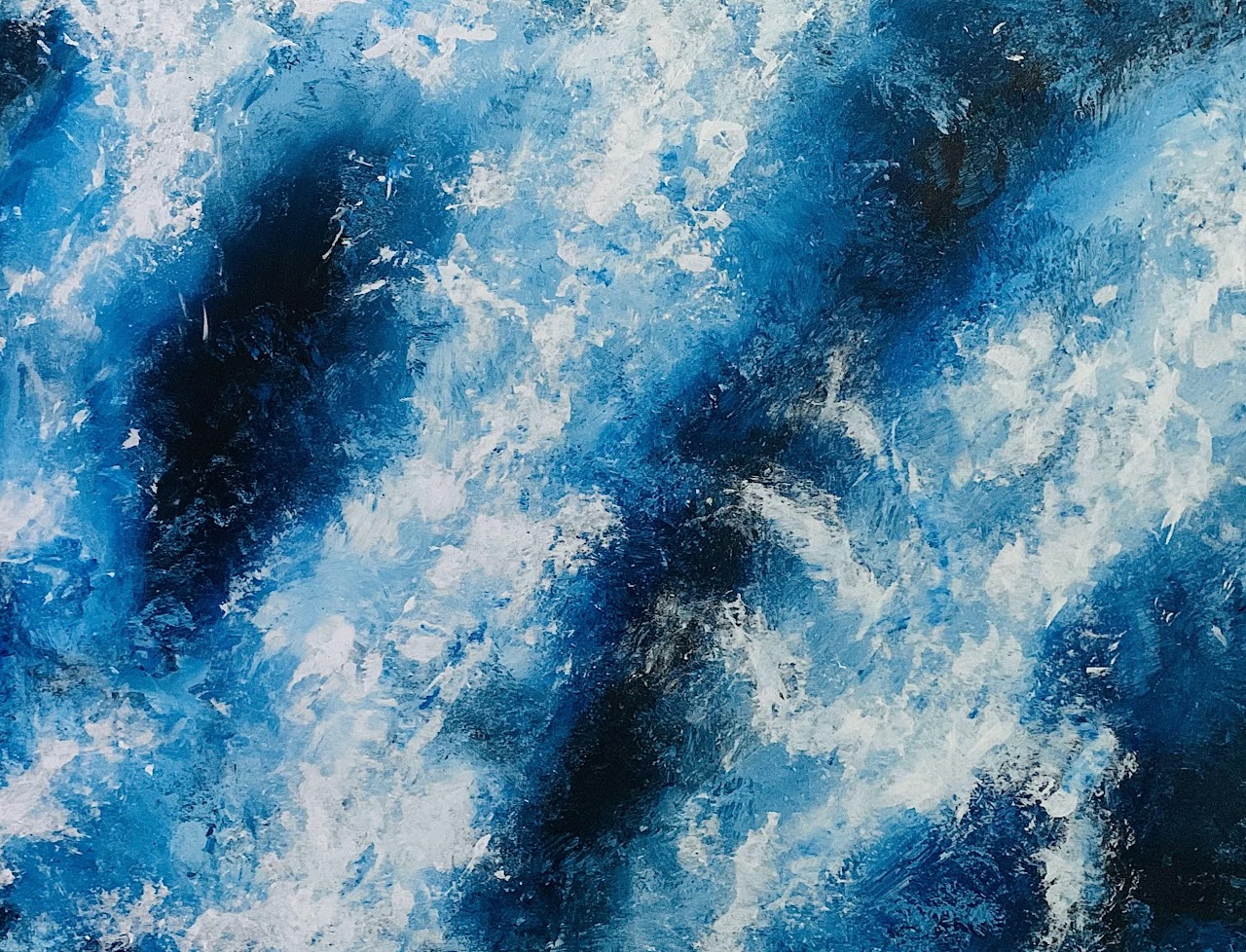
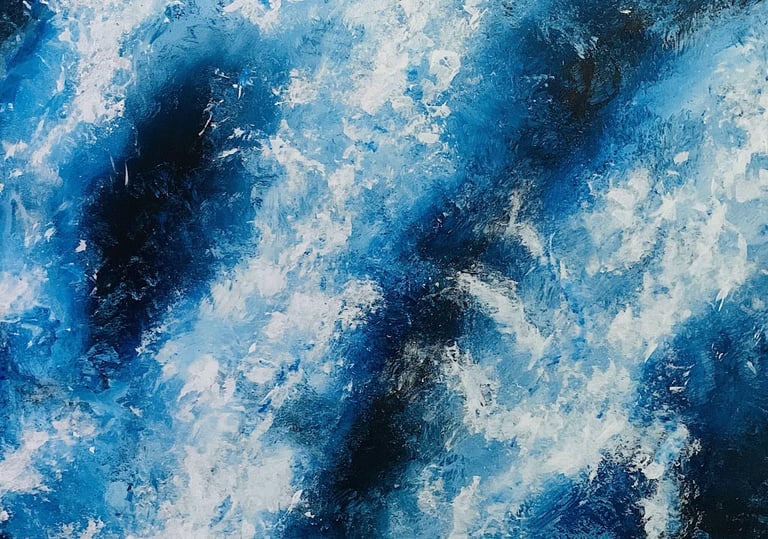
The initiative educates and inspires individuals to conserve water by using art to raise awareness about its importance
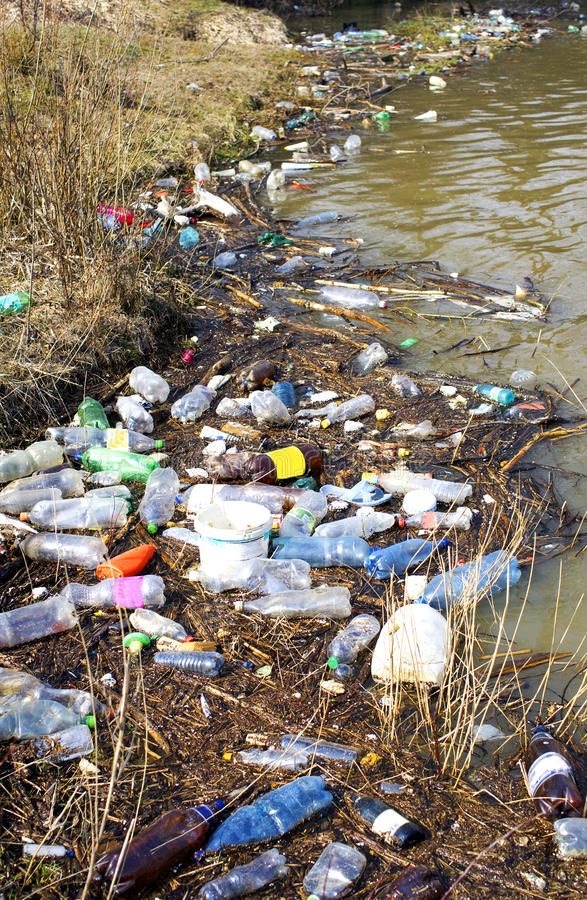
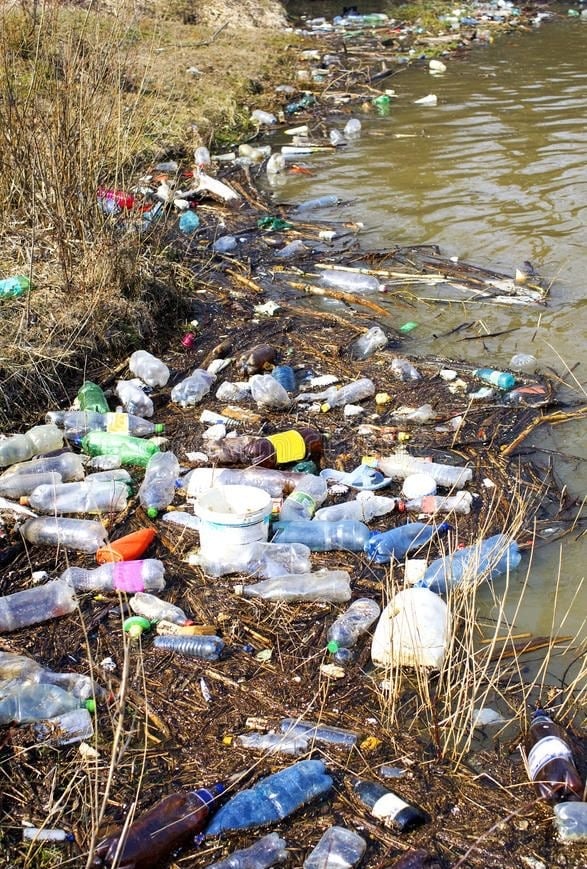
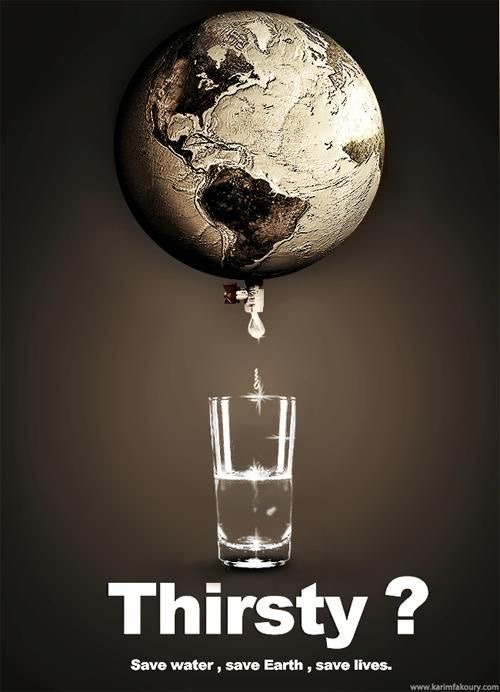
To offer various services to promote water conservation and raise awareness about its importance.
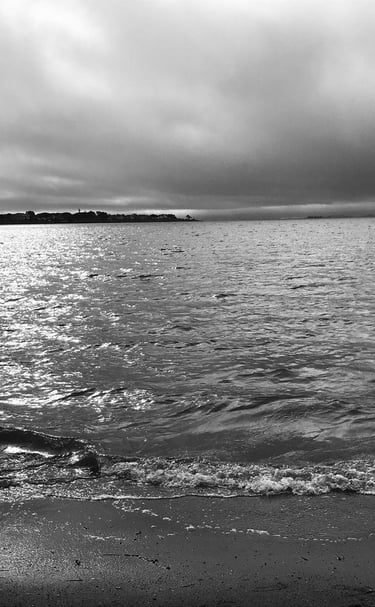
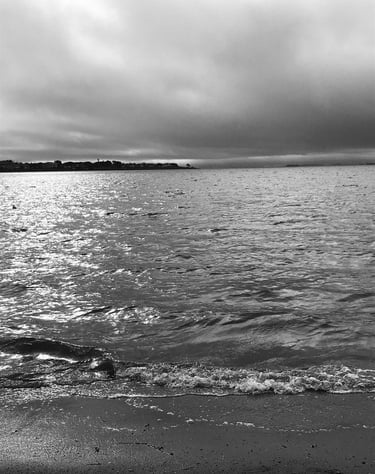
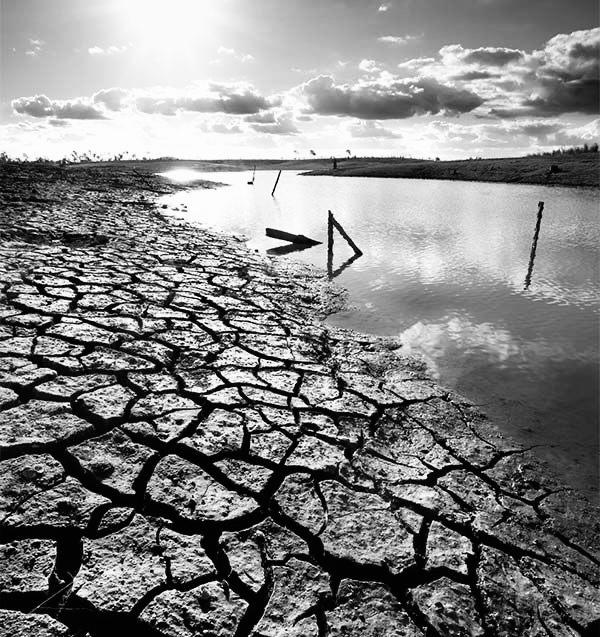
Objective
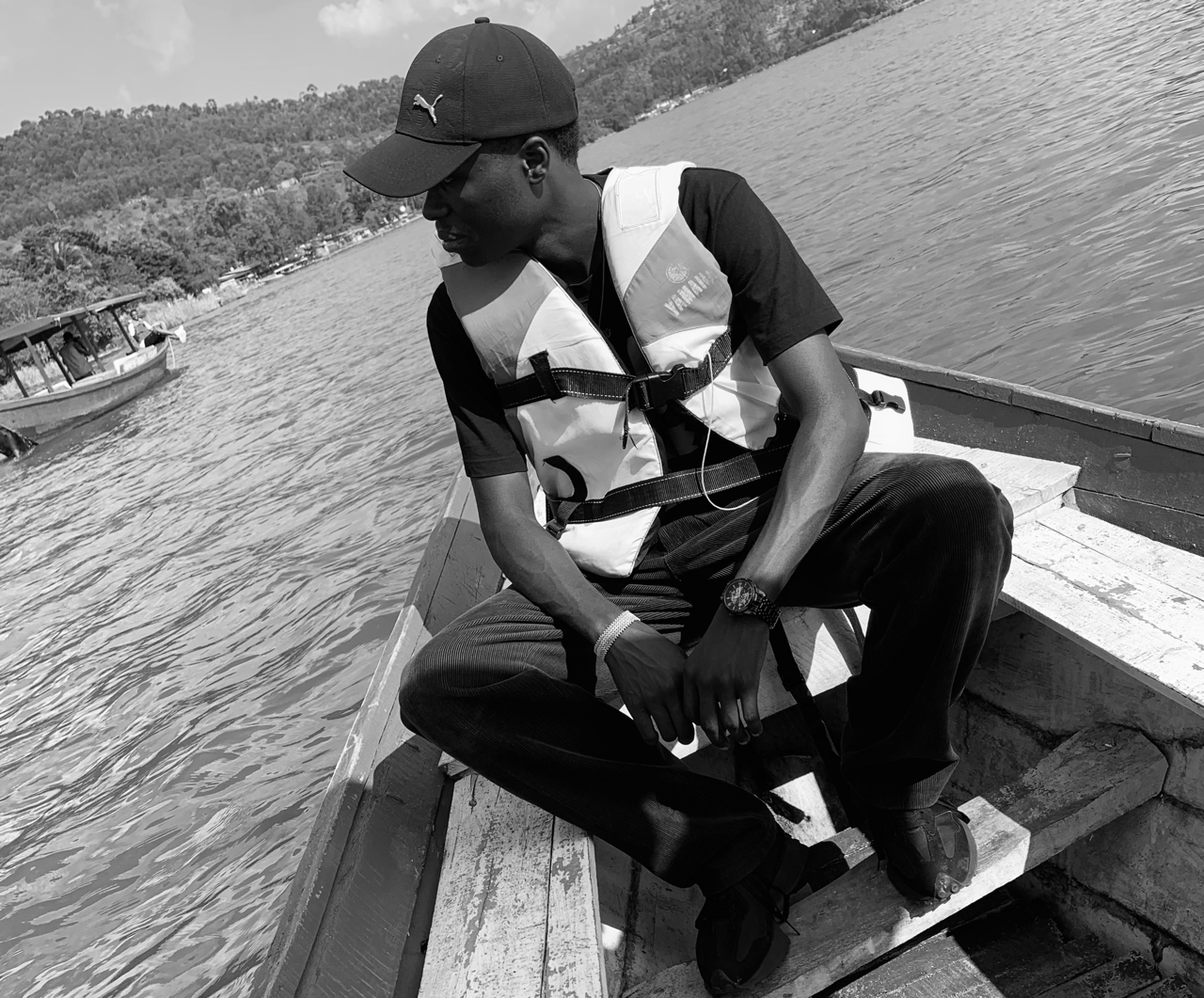
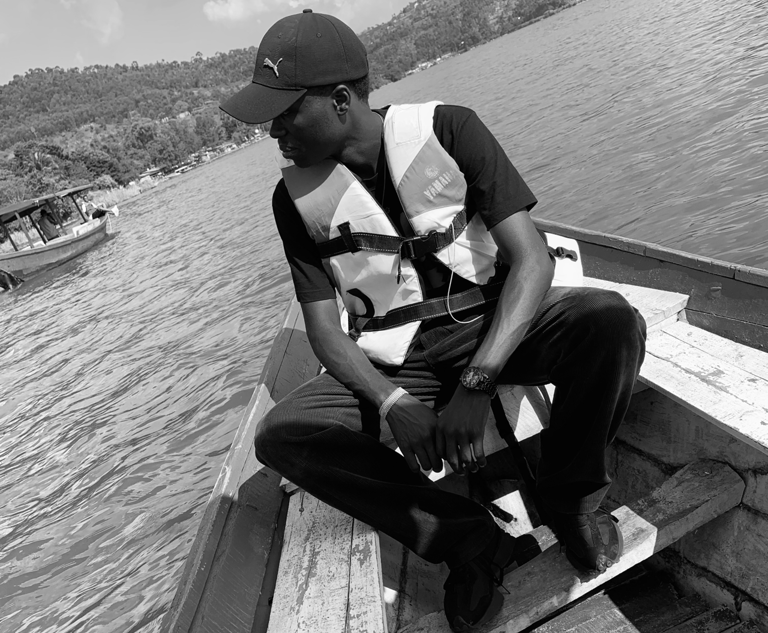
From educational workshops to art exhibitions, with aim of reaching out to different audiences and engage them in meaningful ways.
Engage, Educate, Inspire
PROJECT PROPOSAL
AQUATIC CANVAS: REIMAGINING OUR RELATIONSHIP WITH WATER
I propose to develop Aquatic Canvas, an ongoing artistic research project exploring our relationship with water through painting, drawing, mixed media, and interdisciplinary experimentation. The project began as an attempt to use art to create awareness around water conservation and the environmental and social consequences of water scarcity and pollution. I now want to move beyond awareness and investigate water as a subject, material, memory, and metaphor.
During my time working on this project, I would research how water shapes human life, landscapes, communities, and cultural memory, beginning with my experiences in Rwanda and expanding through conversations, observation. I am particularly interested in the contrast between Rwanda's water-rich landscapes and other countries desert environment, and what these different relationships with water reveal about place, adaptation, consumption, and survival.
I plan to experiment with painting alongside materials and processes that can communicate movement, reflection, fluidity, transparency, and transformation. Research, field observation, conversations, and collected visual references would become part of the creative process. I would also explore how the project could incorporate sound, text, photography, or participatory elements, allowing the work to develop beyond conventional painting.
The are very offers which are important opportunity for me to take this project into a more rigorous stage of artistic and conceptual development. As a self-taught artist, I have built my practice through curiosity, experimentation, and independent learning. I now want to challenge my established methods through sustained studio practice, critical dialogue, mentorship, and engagement with artists from different cultural and disciplinary backgrounds.
Ultimately, Aquatic Canvas would become an evolving body of work examining water not simply as a natural resource, but as a shared human experience and a lens through which we can understand environment, culture, and our responsibility to the future.